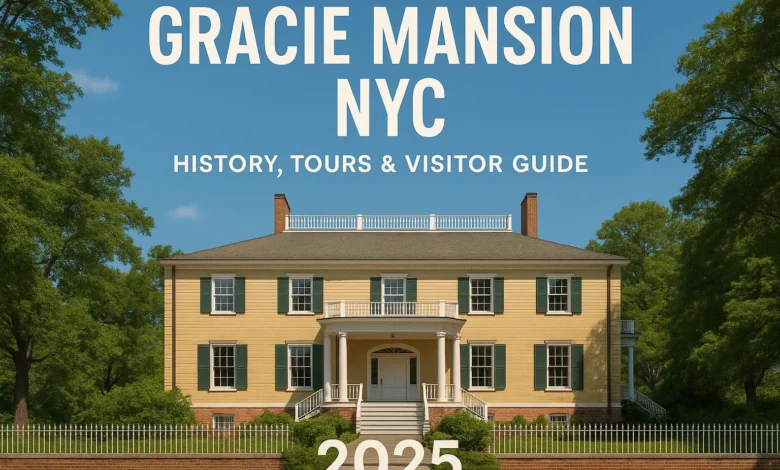
Gracie Mansion stands as one of New York City’s most iconic historic landmarks, serving as the official residence of the city’s mayors since 1942. Located in Carl Schurz Park along the East River, this elegant Federal-style estate offers visitors a unique glimpse into NYC’s political history and architectural heritage. Whether you’re a history enthusiast, architecture lover, or simply curious about where the mayor lives, Gracie Mansion represents a vital piece of New York’s cultural fabric.
Built in 1799 by Scottish merchant Archibald Gracie, this historic house has witnessed over two centuries of New York’s transformation from a modest settlement into a global metropolis. Today, Gracie Mansion continues to serve not just as a mayoral residence but as a living museum that welcomes the public through guided tours and special events.


The Rich History Behind Gracie Mansion
Origins as a Country Estate
When Archibald Gracie constructed Gracie Mansion in 1799, the location sat five miles outside New York City’s limits. The wealthy merchant envisioned the property as a peaceful country retreat where his family could escape the bustle of urban life. The mansion quickly became known for its elegant dinner parties, hosting prominent figures including Alexander Hamilton, Washington Irving, and even Napoleon’s brother, Joseph Bonaparte.
The site where Gracie Mansion stands today has an even earlier history. Before 1799, Belview Mansion occupied this spot, built in 1770 for merchant Jacob Walton. During the American Revolutionary War, George Washington used the property strategically. The original Belview Mansion was destroyed during the conflict, making way for Gracie’s new construction.
Archibald Gracie enjoyed his riverside estate until financial difficulties forced him to sell the property in 1823. The mansion changed hands several times over the following decades. Joseph Foulke’s family occupied it from 1823 to 1857, followed by builder Noah Wheaton’s family until 1896.
Transformation Into a Public Space
In 1896, the City of New York incorporated the Gracie Mansion grounds into Carl Schurz Park. For several decades, the historic house served various municipal purposes, including operating as a concession stand and public restrooms for park visitors. Between 1924 and 1936, the mansion housed the Museum of the City of New York before the museum moved to its current Fifth Avenue location.
The transformation into an official mayoral residence came through the efforts of Parks Commissioner Robert Moses. He convinced Mayor Fiorello La Guardia to make Gracie Mansion the city’s first official mayor’s residence in 1942. La Guardia, known for his progressive policies and dynamic leadership, moved his family into the restored mansion, establishing a tradition that continues today.
Architectural Beauty and Federal-Style Design
The Original Structure
Gracie Mansion showcases classic Federal-style architecture, which was popular in early American construction during the late 18th and early 19th centuries. The original two-story wooden structure features elegant proportions, symmetrical design, and refined details characteristic of the Federal period. The mansion’s position atop the highest point in Carl Schurz Park provides stunning views of Hell Gate, a narrow channel in the East River.
The building’s Federal-style elements include its balanced facade, large windows that flood interior spaces with natural light, and decorative moldings that reflect the refined taste of early American architecture. The yellow parlor, part of an 1810 addition, displays period-appropriate furnishings and decor that transport visitors back to New York’s early days.
The Susan E. Wagner Wing
In 1966, the mansion underwent significant expansion with the addition of the Susan E. Wagner Wing, named after the wife of Mayor Robert F. Wagner Jr. This modern annex serves as the reception wing, providing space for official events and public gatherings while protecting the historic house from excessive wear. The wing includes a grand ballroom where mayors host city functions, charity events, and diplomatic receptions.
The Wagner Wing addition allowed the original mansion to maintain its historical integrity while giving mayoral families more privacy in their living quarters. This thoughtful expansion ensured Gracie Mansion could continue serving as both a functional residence and a venue for New York City’s official business.
Current Role and Recent Developments
Mayor Eric Adams’ Tenure
Mayor Eric Adams resided at Gracie Mansion after winning the 2021 election. His time there included both historic moments and challenges. In September 2024, federal agents executed a search warrant at the mansion hours before Adams faced federal indictment on various charges. On January 1, 2025, an intruder scaled the mansion’s fence and stole items before being arrested, though Adams was not home during the incident.
Despite living there officially, Adams reportedly expressed reluctance about the mansion, even claiming it was haunted. The house continued operating as a venue for private events, including weddings, throughout his tenure.
Mayor-Elect Zohran Mamdani’s Move
In December 2025, incoming Mayor-Elect Zohran Mamdani announced he would move into Gracie Mansion with his wife, Rama Duwaji, following his January 1, 2026 inauguration. The decision marked a significant shift for Mamdani, who had been living in a rent-stabilized one-bedroom apartment in Astoria, Queens.
Mamdani cited his family’s safety and the need to focus entirely on his affordability agenda as reasons for the move. The historic transition makes Mamdani NYC’s youngest mayor in over a century and its first Muslim, South Asian, and African-born leader. The 34-year-old progressive politician reflected emotionally on leaving his Astoria neighborhood while embracing the responsibilities that come with residing in the People’s House.
The incoming mayor will occupy the approximately 10,000-square-foot residence featuring five bedrooms, a grand ballroom, and sweeping East River views. His move into Gracie Mansion continues a tradition followed by most New York City mayors, with Michael Bloomberg being the notable exception who chose to remain in his own residence.
Visiting Gracie Mansion: Tours and Public Access
Tour Information and Booking
The Gracie Mansion Conservancy provides public tours that allow visitors to explore this historic landmark. Tours typically occur one day per week, usually on Wednesdays, and cover the first floor of the original house. The guided experiences last approximately 45 minutes to one hour, offering comprehensive insights into the mansion’s history, architecture, and its role in New York City government.
Reservations are highly recommended as tour slots fill quickly due to the mansion’s popularity among tourists and local residents. Tours are generally affordable, with adult tickets around $7, senior admission at $4, and free access for students. However, many tours are offered free of charge, though booking in advance remains essential.
What to Expect on Your Visit
During tours, knowledgeable guides share fascinating stories about former residents, significant political events, and the mansion’s evolution over more than two centuries. Visitors can admire the Federal-period architecture, examine carefully curated art collections, and learn about the decorative items that characterize this living landmark.
Photography policies vary by room, with pictures typically allowed only in the reception areas. The mansion features exhibits that rotate periodically, showcasing different aspects of New York City’s history and culture. Recent exhibitions have included “Windows on the City: Looking Out at Gracie’s New York” and “The Permanent Collection,” which highlights contributions from diverse New Yorkers often overlooked in traditional histories.
The mansion’s interior decoration reflects careful restoration work that began under Mayor Ed Koch in the 1980s. Visitors can see period-appropriate wallpaper dating from 1830, antique furniture from the Federal era, and artwork on loan from major museums including the Museum of the City of New York and the New-York Historical Society.
The Gracie Mansion Conservancy’s Mission
Preservation and Education
The Gracie Mansion Conservancy, established in 1981 during Mayor Ed Koch’s administration, operates as a public-private partnership dedicated to preserving and enhancing this historic property. The organization’s mission extends beyond simple maintenance to include educational programming, special events, and ensuring the mansion remains accessible to all New Yorkers.
The conservancy maintains a curator and assistant curator who oversee the mansion’s collection and exhibitions. With an annual operating budget of approximately $1.7 million (largely funded by the city), the organization ensures Gracie Mansion honors its Federal-period origins while remaining forward-looking and welcoming.
Educational Programs and Community Outreach
The conservancy focuses increasingly on exploring the contributions of diverse people and cultures whose roles in Gracie Mansion’s history and New York’s development have gone unrecognized. Educational programs include school tours, curriculum materials for teachers, and special programs that connect students with New York’s municipal history.
As a member of the Historic House Trust, Gracie Mansion participates in broader efforts to preserve and interpret New York City’s architectural heritage. The house is both a New York City designated landmark and listed on the National Register of Historic Places, ensuring its protection for future generations.
Gracie Mansion in New York Culture
A Symbol of Civic Leadership
Beyond serving as the mayor’s residence, Gracie Mansion represents New York City’s democratic values and municipal governance. Different mayors have used the mansion in ways that reflect their priorities and personalities. Mayor Koch famously hosted breakfast and dinner gatherings several times weekly, welcoming civic groups, ethnic associations, and international dignitaries including Israeli Prime Minister Menachem Begin, President Ronald Reagan, and Mother Teresa.
The mansion’s role as the “People’s House” emphasizes that it belongs to all New Yorkers, not just the mayor. Public tours, which resumed in 1980 after a decades-long closure, attracted up to 20,000 visitors annually by the mid-1980s. This accessibility reinforces the principle that civic institutions should remain open and accountable to the citizens they serve.
Architectural and Historical Significance
Architecture critics and historians have long praised Gracie Mansion’s design and preservation. The mansion represents one of New York City’s oldest wooden buildings still in active use. Its Federal-style architecture provides tangible connections to America’s early national period, while its location overlooking the East River offers visitors a sense of the natural beauty that once characterized Manhattan’s shoreline.
The house has inspired commentary from numerous writers and critics over the decades. Observers have described it as “a worthy example of the solidity and beauty of early New York architecture” and praised its “graceful rooms always suggestive of home.” The mansion’s restoration work, particularly the major renovation completed in the 1980s, received acclaim for transforming the interior while respecting its historical character.
Practical Information for Visitors
Location and Accessibility
Gracie Mansion sits within Carl Schurz Park at East End Avenue and 88th Street in Manhattan’s Upper East Side Yorkville neighborhood. The park itself offers beautiful walking paths, playgrounds, and waterfront views, making it an ideal destination for combining a mansion tour with outdoor recreation.
Visitors can reach the location via public transportation, with several subway and bus lines serving the Upper East Side. The surrounding neighborhood features quiet residential streets and easy access to Central Park, Museum Mile, and other cultural attractions.
Planning Your Visit
When planning your Gracie Mansion visit, check the official Gracie Mansion Conservancy website for current tour schedules, as availability may vary depending on the mayor’s schedule and special events. Tours may be canceled when the mansion hosts official city business or private functions.
The mansion’s location in Carl Schurz Park means visitors can easily spend several hours exploring the area. The park offers scenic views of the East River, including the Hell Gate channel that early residents would have watched from the mansion’s windows. On clear days, visitors can see Roosevelt Island and the Triborough Bridge from various vantage points.
Conclusion
Gracie Mansion offers visitors an extraordinary opportunity to connect with New York City’s rich history while understanding the ongoing work of municipal government. This 226-year-old landmark bridges past and present, serving simultaneously as a historic house museum and an active mayoral residence where city business continues daily.
Whether you’re interested in Federal-period architecture, New York City politics, or simply want to explore a beautiful historic property with stunning river views, Gracie Mansion delivers a memorable experience. The mansion’s careful preservation and thoughtful public programming ensure that all New Yorkers and visitors can appreciate this significant piece of the city’s heritage.
As Mayor-Elect Zohran Mamdani prepares to move into Gracie Mansion in January 2026, the historic house enters another chapter in its remarkable story. The continued use of this beautiful property demonstrates New York’s commitment to honoring its past while embracing its future, making Gracie Mansion truly the People’s House for all who call this great city home.
FAQs
Q What is Gracie Mansion used for today?
Gracie Mansion serves as the official residence of New York City’s mayor while also functioning as a venue for city events, diplomatic receptions, and public tours. The historic house hosts government functions, charity events, and educational programs through the Gracie Mansion Conservancy.
Q How old is Gracie Mansion?
Gracie Mansion was built in 1799, making it 226 years old as of 2025. It stands as one of New York City’s oldest wooden structures still in regular use and represents an important example of Federal-style architecture from America’s early national period.
Q Can you visit Gracie Mansion?
Yes, the public can visit Gracie Mansion through guided tours offered by the Gracie Mansion Conservancy. Tours typically occur weekly and require advance reservations. The tours provide access to the mansion’s first floor and share insights into its history, architecture, and role in NYC government.
Q Have all NYC mayors lived in Gracie Mansion?
Not all New York City mayors have chosen to live in Gracie Mansion. Most notably, Mayor Michael Bloomberg resided in his own townhouse rather than the official residence. However, the majority of mayors since 1942 have made Gracie Mansion their home during their terms in office.
Q Is photography allowed inside Gracie Mansion?
Photography policies vary by room within Gracie Mansion. Generally, photos are permitted in the reception areas but restricted in other parts of the house during guided tours. The Gracie Mansion Conservancy website features a virtual tour with images for those interested in viewing areas where photography is not allowed.
Read More: Jasmine Crockett News Senate Race 2026 & Latest Updates