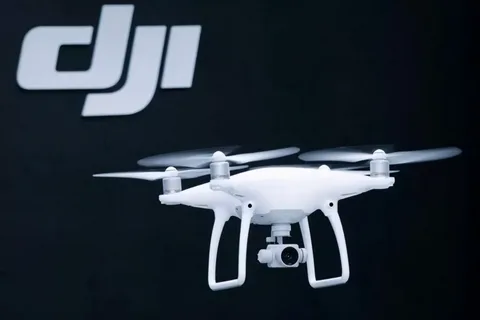
If you own a DJI drone or plan to buy one, you need to read this DJI ban update carefully. The world’s leading drone manufacturer faces an automatic ban in the United States unless federal agencies complete a security audit by December 23, 2025. With that deadline now just weeks away, drone pilots across America are asking urgent questions about what comes next.
This comprehensive DJI ban update covers everything from the latest regulatory developments to practical steps you can take right now to protect your investment and prepare for potential changes in the drone industry.

What’s Happening with the DJI Ban?
The National Defense Authorization Act for 2025 mandates a security audit of DJI within one year, and if that audit isn’t completed by December 23, 2025, DJI must automatically be added to the FCC’s Covered List. This would prevent new DJI products from receiving Federal Communications Commission approval for sale in the United States.
Here’s the critical point: DJI has repeatedly and publicly requested this audit, but according to the company, the process has not begun. The company isn’t facing a ban because of proven wrongdoing—it’s at risk of being banned by default due to administrative inaction.
The Legislative Gap Problem
Congress required a national security audit for certain Chinese manufacturers but failed to designate any federal agency to carry it out. DJI sent formal requests to five federal agencies in March 2025, including the Department of Homeland Security, Department of Defense, FBI, NSA, and Office of the Director of National Intelligence. None have publicly confirmed an audit is underway.
Latest DJI Ban Update: FCC Expands Its Powers
In a unanimous vote on October 28, 2025, the FCC voted to give itself new powers, including the ability to issue retroactive bans and to ban subsidiaries of companies added to the FCC Covered List. This represents a significant escalation.
Previously, the ban would only affect new, unreleased models. Now, the FCC can retroactively ban previously approved devices, meaning the government could revoke previous product authorizations one by one. However, the FCC has stated it won’t confiscate or deactivate drones already in consumers’ hands, and each ban will involve a 30-day public comment period.
Import Restrictions Already Beginning
The U.S. Commerce Department began implementing new rules as of September 2025 to restrict imports of Chinese drones, further limiting access to DJI products. Some DJI models, including the Mavic 4 Pro and Mini 5 Pro, have experienced stock shortages, though they’ve recently become available again through Amazon and select retailers.
Will Your Current DJI Drone Stop Working?
This is the most common question drone owners ask, and here’s the good news: your current DJI gear would keep working, whether you fly a DJI Mini 3 for casual weekend shoots or use the high-speed Avata 2 with immersive FPV goggles.
However, there are significant long-term concerns:
What Will Still Work:
- Your existing drone will continue flying normally
- Current firmware and software will remain functional
- All existing features will keep operating
What Could Be Affected:
- Future firmware updates may become unavailable
- Software patches and security updates could stop
- Access to spare parts like batteries and propellers may become limited
- Warranty service and repairs could be disrupted
- Cloud-based tools and Remote ID support might be affected
- Geo-unlock systems for restricted airspace could break
DJI’s Response to the Ban
In a recent court case, the U.S. District Court for the District of Columbia rejected most allegations linking DJI to the Chinese government or military. The court found no basis for claims that DJI is owned or controlled by the Chinese Communist Party or affiliated with China’s Ministry of Industry and Information Technology.
DJI has appealed the Department of Defense’s designation and reaffirms that it has never built or marketed military equipment, and was the first drone manufacturer to publicly discourage combat use of drones.
The company is now calling for an extension of the NDAA deadline to allow time for a proper audit, stating that facts—not politics—should guide the future of drone innovation. DJI is also encouraging American drone users to contact lawmakers and share how a potential ban would affect their livelihoods.
What Happens After December 23, 2025?
If no audit is completed by the deadline, here’s what experts predict:
Immediate Impact:
- No new DJI products can receive FCC authorization
- Imports of new DJI models will be blocked at the border
- Existing inventory can still be sold until supplies run out
Medium-Term Consequences:
- Second-hand market prices will likely increase
- Parts and accessories will become scarcer
- Software support may gradually diminish
- Insurance and regulatory issues could arise for commercial operators
Long-Term Considerations:
- DJI may challenge the automatic addition in court
- Alternative drone manufacturers will fill market gaps
- American drone companies could gain significant market share
Action Steps: What DJI Owners Should Do Now
If you own DJI equipment or plan to purchase a drone, take these steps before the December deadline:
1. Update Everything Immediately
Ensure your drone, controller, and mobile apps are running the latest firmware and software versions. Future updates may become unavailable after the deadline.
2. Stock Up on Essential Parts
Purchase spare batteries, propellers, chargers, and other critical components while they’re still readily available. These items will likely become difficult to find or significantly more expensive.
3. Download Necessary Software
Save installation files for DJI apps and software tools you use. Store them in multiple locations in case access to downloads becomes restricted.
4. Document Your Equipment
Keep records of serial numbers, purchase dates, and proof of ownership. This documentation may be important for insurance, resale, or future regulatory compliance.
5. Consider Your Use Case
Commercial operators should evaluate backup systems and alternative platforms. Update service contracts to use platform-neutral language rather than specifying DJI models.
DJI Ban and Second-Hand Purchases: A Critical Warning
If you’re considering buying a used DJI drone, be extremely careful. DJI introduced a strict new policy on June 19, 2025 that only allows account unbinding, rebinding, or binding requests from the current bound account holder.
This means you need the original owner’s cooperation to transfer ownership and activate the drone under your DJI account. If the seller can’t or won’t help, you could end up with a drone you can’t fly or update.
Best practices for buying used DJI drones:
- Purchase only from reputable sources like established drone shops
- Use certified refurbishers or trusted peer-to-peer platforms with buyer protection
- Always confirm the drone can be unbound and rebound to your account before paying
- Get written confirmation from the seller that they’ll assist with the transfer process
Alternative Drones: Your Options Beyond DJI
With the potential DJI ban looming, many pilots are exploring alternatives. DJI currently controls an estimated 70% of the global drone market, with products widely used in industries such as agriculture, filmmaking, construction, and emergency response. Finding comparable alternatives requires careful consideration.
NDAA-Compliant American Options
Skydio has emerged as a leading American alternative, particularly for enterprise and public safety applications. Their X10E model offers autonomous flight capabilities and advanced obstacle avoidance, though at a significantly higher price point than comparable DJI models.
Parrot manufactures the NDAA-compliant Anafi USA, designed specifically for secure operations. This French company offers both consumer and professional drones with strong data security features.
Freefly Systems produces heavy-lift platforms like the Alta X, designed for industrial inspections, cinematography, and defense applications. These American-made drones prioritize payload capacity and customization.
Other Notable Alternatives
Anzu Robotics offers an interesting solution—drones manufactured in Malaysia using licensed DJI hardware but with American-developed software. The Raptor series provides DJI-quality hardware while addressing security concerns through different software systems.
Autel Robotics faces similar scrutiny as DJI under the NDAA provisions, but currently offers alternatives worth considering for those seeking Chinese manufacturing without DJI-specific restrictions.
Cost Considerations
Be prepared for sticker shock. American-made NDAA-compliant drones typically cost 2-5 times more than comparable DJI models. A prosumer DJI drone might cost $1,000-3,000, while similar American alternatives often start at $5,000-15,000.
Impact on Different Drone User Groups
Recreational Pilots
Recreational users will still be able to fly their existing DJI drones, but access to new models, updates, and support may be limited. Content creators who built YouTube channels, Instagram accounts, or TikTok videos around drone footage face uncertain equipment upgrade paths.
Commercial Operators
Professional photographers, videographers, surveyors, and inspection teams face the most significant challenges. Mapping and LiDAR teams using specialized payloads, inspection crews relying on DJI SDKs, and agricultural users operating Agras drones must develop backup strategies immediately.
Public Safety and Government
Many state and local jurisdictions have already restricted DJI drones for government use. Florida, Arkansas, and Tennessee have banned Chinese-made drones for public safety operations, forcing agencies to replace entire fleets with NDAA-compliant alternatives.
State-Level Bans: The Patchwork Problem
While federal action remains uncertain, several states have already implemented their own restrictions. Some state and local jurisdictions have proposed or passed bans or restrictions on DJI drones for public safety or government use, even while the federal audit process is unresolved.
DJI warns these state bans could undercut national regulatory consistency, creating a confusing patchwork of rules for drone pilots operating across state lines.
The Bigger Picture: US-China Tech Tensions
This DJI ban update represents just one front in broader US-China technology competition. The restrictions reflect concerns about data security, supply chain vulnerabilities, and strategic technological independence.
Critics argue the ban could stifle innovation, harm small businesses, and delay critical projects dependent on affordable, reliable drone technology. Supporters counter that protecting national security and reducing dependence on Chinese technology justifies the disruption, while potentially giving US-based manufacturers competitive advantages.
Conclusion
This DJI ban update reveals a rapidly evolving situation with significant implications for millions of drone pilots. While existing equipment will continue functioning, the December 23, 2025 deadline looms large over the future of DJI products in America.
The most prudent approach involves preparing for multiple scenarios. Update your equipment, secure essential spare parts, and familiarize yourself with alternative platforms that could serve your needs if DJI support becomes limited.
Monitor trusted sources like UAV Coach, Commercial UAV News, and official government announcements for breaking developments. The situation could change quickly if agencies begin the required audit or if Congress grants an extension.
Whatever happens, remember that your skills as a pilot and your creative vision matter far more than any specific piece of equipment. The drone industry will adapt, and new opportunities will emerge regardless of regulatory outcomes.
Frequently Asked Questions
Are DJI drones currently banned in the US?
No, DJI drones are not banned as of November 2025. The automatic ban would only take effect if no security audit is completed by December 23, 2025.
Will I be able to fly my DJI drone after the deadline?
Yes, existing drones will remain legal to fly. The ban would only prevent new DJI products from being sold or imported, not ground drones already in use.
Can I still buy DJI drones right now?
Yes, DJI drones remain available for purchase through authorized retailers and online platforms, though stock levels have fluctuated due to import restrictions.
What should I do with my DJI drone before December 23?
Update all firmware and software, purchase spare parts, download necessary apps, and ensure your equipment is properly registered and documented.
Are there good alternatives to DJI drones?
Yes, companies like Skydio, Parrot, Freefly, and Anzu Robotics offer alternatives, though often at higher price points with different feature sets.
Read More: OpenAI News 2025 GPT-5.1, Atlas Browser & Latest Updates